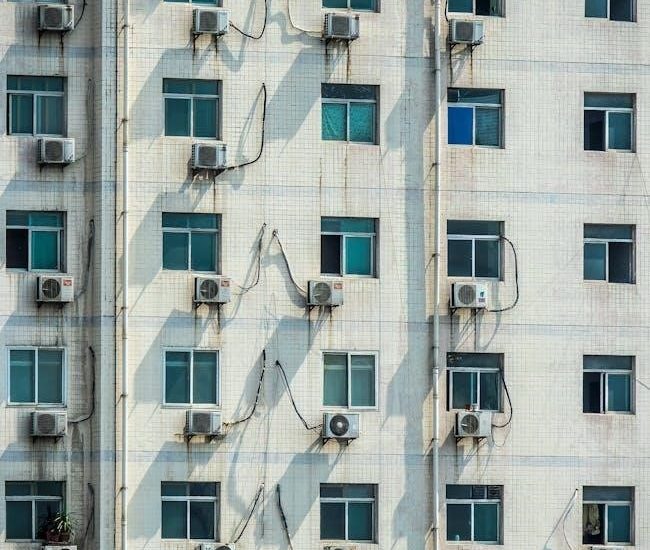
Cool Breeze evaporative air conditioners offer a refreshing alternative to traditional cooling, utilizing water evaporation for a comfortable breeze․
These systems, similar to swamp coolers, leverage outside air, providing an energy-efficient cooling solution, unlike Freon-based portable units․
What is Evaporative Cooling?
Evaporative cooling, the principle behind Cool Breeze systems, mimics nature’s process․ As water evaporates, it absorbs heat from the surrounding air, lowering the temperature․ Unlike traditional air conditioning, it doesn’t use refrigerants․
This method draws in warm, dry air and passes it through a moistened pad, causing water to evaporate and cool the air․ The resulting breeze is then circulated throughout the room, offering a relaxing and energy-efficient cooling effect․ It’s a natural and sustainable way to combat heat!
How Cool Breeze Systems Differ
Cool Breeze evaporative air conditioners distinguish themselves through premium quality design and a focus on effective cooling․ Unlike portable units relying on Freon, Cool Breeze utilizes the natural evaporative process, consuming less energy․
These systems are designed for ease of use and maintenance, with features like accessible water tanks and replaceable filters․ Cool Breeze offers solutions for various needs, including models with Wi-Fi connectivity and dedicated service support for troubleshooting potential issues, ensuring optimal performance․
Understanding Your Cool Breeze Unit
Cool Breeze units, like the CY series, require familiarization with key components and safety precautions for optimal operation and longevity․
Model Identification (CY Series & Others)
Cool Breeze offers a range of evaporative air conditioning models, with the CY series being a prominent line․ Identifying your specific model is crucial for accessing the correct documentation and support․ Locate the model number on the unit’s label, typically found on the rear or side panel․
This number is essential when contacting customer support or ordering replacement parts․ Different models may have varying features, capacities, and maintenance requirements․ Refer to your unit’s specific manual for detailed information tailored to your Cool Breeze evaporative cooler․
Key Components of the System
Cool Breeze evaporative coolers consist of several key components working in harmony․ These include the water tank, responsible for supplying water for evaporation; the cooling pads, where evaporation occurs; and the fan, which draws air through the moistened pads․
The control panel manages operation, while the pump circulates water․ A properly functioning control board is vital․ Understanding these components aids in troubleshooting and maintenance, ensuring optimal performance and longevity of your Cool Breeze unit․
Safety Precautions
Cool Breeze evaporative coolers require careful operation․ Always disconnect the unit before cleaning or maintenance․ Ensure proper electrical grounding to prevent shocks․ Never operate with a damaged cord or plug․
Keep the unit away from flammable materials․ Regularly inspect for water leaks and address them promptly․ Do not immerse the unit in water․ If issues arise, consult a qualified technician; attempting self-repair can be dangerous․ Prioritize safety for reliable cooling․

Installation and Setup
Cool Breeze setup involves initial procedures, connecting a water supply, and ensuring correct electrical connections for optimal performance and safe operation․
Initial Setup Procedures
Before operating your Cool Breeze unit, carefully unpack all components and inspect for any shipping damage․ Position the cooler on a level surface, ensuring adequate ventilation around the unit․ Confirm the water tank is securely in place, but do not fill it yet․
Familiarize yourself with the control panel layout and functions․ A service technician may be needed for complex installations․ Ensure all safety precautions are understood before proceeding with water and electrical connections․ Proper initial setup is crucial for efficient and reliable cooling performance․
Water Supply Connection
Cool Breeze units require a consistent water supply for optimal cooling․ While some models utilize a manual fill tank, others can connect directly to a water source․ If connecting to a water line, use the provided hose and fittings, ensuring a secure, leak-proof connection․
Monitor water quality, as hard water can impact performance․ Regularly check connections for drips or leaks․ Proper water supply is essential for effective evaporative cooling and preventing operational issues․
Electrical Requirements & Connections
Cool Breeze evaporative coolers require a grounded electrical outlet matching the unit’s voltage specifications – typically standard household voltage․ Before connecting, ensure the outlet isn’t overloaded with other appliances․
If the unit doesn’t power on, check the circuit breaker or fuse box․ Never use extension cords; plug directly into the wall․ A qualified electrician should handle any electrical work․ Improper connections can cause malfunctions or safety hazards․
Operating Instructions
Cool Breeze units feature an intuitive control panel for adjusting fan speeds and activating cooling mode, providing personalized comfort․
Proper operation ensures optimal performance and a relaxing, cooled breeze throughout your space․
Control Panel Overview
The control panel is the central hub for operating your Cool Breeze evaporative air conditioner․ It typically includes power buttons, fan speed selections (Low, Medium, High), and a cooling mode activator․ Some models may feature additional settings like a swing function for wider air distribution or a timer for automated operation․
Familiarize yourself with each button’s function to effectively manage the unit․ A malfunctioning control panel might necessitate a system reset by briefly disconnecting the power supply․ Always refer to your specific model’s diagram for accurate button identification․
Fan Speed Settings
Cool Breeze units generally offer multiple fan speed settings – Low, Medium, and High – to customize airflow and cooling intensity․ Lower speeds conserve energy and provide a gentle breeze, ideal for quiet environments․ Medium speed balances cooling and noise levels for general use;
High speed delivers maximum airflow for rapid cooling, but may generate more noise․ Experiment with each setting to find the optimal comfort level for your needs․ A non-functioning fan could indicate a motor issue requiring professional attention․
Cooling Mode Operation
To activate cooling mode on your Cool Breeze unit, ensure the water tank is adequately filled․ The system draws water to saturate the cooling pads, and a fan draws air through these wet pads, initiating evaporation․
This process lowers the air temperature, creating a cool breeze․ Regularly check the water level for optimal performance․ If no cooling effect is observed, verify sufficient water and proper pad saturation; a lack of either can hinder cooling efficiency․
Maintenance and Cleaning
Regular cleaning is crucial for optimal performance․ Maintain your Cool Breeze unit with a consistent schedule, focusing on the water tank and filter replacement․
Regular Cleaning Schedule
To ensure peak performance and longevity of your Cool Breeze evaporative cooler, a consistent cleaning schedule is essential․ Weekly, inspect and empty the water tank, preventing algae and bacterial growth․
Clean the tank with a mild detergent and rinse thoroughly․ Every two weeks, clean the cooling pads to maintain efficient evaporation; remove dust and debris․
Monthly, thoroughly clean the exterior surfaces with a damp cloth․ Before storing the unit for extended periods, a deep clean, including all components, is highly recommended for optimal future use․
Water Tank Maintenance
Proper water tank maintenance is crucial for preventing issues and ensuring optimal cooling performance with your Cool Breeze unit․ Regularly empty the tank – ideally weekly – to avoid stagnant water and the buildup of algae or bacteria․
Clean the tank with a mild detergent solution, rinsing completely to remove any residue․ Inspect for scale buildup, especially if using hard water, and address it promptly․
Consider using distilled or filtered water to minimize mineral deposits and maintain the tank’s cleanliness, extending the lifespan of your evaporative cooler․
Filter Replacement
Maintaining clean filters is essential for efficient operation and air quality in your Cool Breeze evaporative cooler․ Regularly inspect the filters – typically every month during peak usage – for dust and debris accumulation․
Replace dirty filters with new ones to ensure optimal airflow and cooling performance․ Clogged filters restrict airflow, reducing cooling capacity and potentially straining the motor․
Follow the manufacturer’s instructions for filter replacement, ensuring the correct filter type is used․ Clean filters contribute to a healthier and more comfortable indoor environment․
Troubleshooting Common Issues
Addressing typical problems like power failures, lack of cooling, water leaks, or fan malfunctions ensures optimal performance of your Cool Breeze unit․
Unit Not Powering On
If your Cool Breeze unit fails to power on, begin with the simplest checks․ First, verify the power cord is securely connected to both the unit and a functioning electrical outlet․
Next, inspect your home’s circuit breaker or fuse box to ensure the circuit hasn’t tripped or a fuse blown․ Reset the breaker or replace the fuse if necessary․
If the issue persists, carefully examine the control board for any visible signs of damage, such as burnt components․ A qualified technician should handle control board inspections․
No Cooling Effect
If your Cool Breeze unit is running but provides no cooling, several factors could be at play․ Ensure the water tank is adequately filled, as evaporative cooling relies on water evaporation․
Verify the cooling pads are thoroughly saturated with water; dry pads hinder the cooling process․ Confirm proper airflow isn’t obstructed by anything near the unit’s vents․
Consider the ambient humidity; evaporative coolers are less effective in already humid climates․ A technician may be needed to diagnose internal issues if these steps don’t resolve the problem․
Water Leaks
Discovering water leaks from your Cool Breeze unit requires immediate attention․ First, inspect the water tank and connections for any visible cracks or loose fittings․ Ensure the drain plug is securely tightened, preventing unwanted water discharge․
Check the water distribution system within the unit for blockages or damage that could cause overflow․
Diagnosing water management problems might necessitate a service technician, especially if the leak originates from internal components․ Promptly address leaks to prevent water damage and maintain optimal performance․
Fan Not Working
If your Cool Breeze fan isn’t operating, begin with basic checks․ Confirm the unit is correctly plugged into a functioning power outlet and the power switch is turned on․ Inspect the fan blades for any obstructions that might prevent rotation․
A tripped circuit breaker or blown fuse could also be the culprit; reset or replace as needed․
If the fan still fails to run, the control board may be faulty, potentially requiring a reset or professional repair․ Don’t attempt internal repairs yourself; seek qualified assistance․

Advanced Troubleshooting
Complex issues may involve the control board, water management, or remote control․ Diagnosing these requires careful inspection and, potentially, a qualified technician’s expertise․
Control Board Issues & Resetting
If your Cool Breeze unit exhibits erratic behavior, a control board malfunction could be the culprit․ Begin by visually inspecting the board for any signs of physical damage, such as burnt components or swollen capacitors․
A simple reset can often resolve minor glitches․ To perform a reset, completely disconnect the unit from the power source for several minutes – ideally, five to ten․
Reconnect the power and observe if the issue persists․ If the fan operates but cooling remains absent, or if the control panel is unresponsive, further investigation or professional assistance may be necessary․
Diagnosing Water Management Problems
Effective evaporative cooling relies on proper water flow․ If you suspect water management issues with your Cool Breeze unit, a service video is available to assist technicians․ Begin by checking the water tank for adequate fill and ensuring the pump is functioning correctly․
Inspect hoses and connections for leaks or blockages․ Verify that water is reaching the cooling pads and that there’s no excessive buildup of mineral deposits․
Address any obstructions promptly to maintain optimal performance․
Remote Control Problems
If your Cool Breeze remote control isn’t functioning, start with the simplest solution: replace the batteries with fresh ones; Ensure proper battery polarity during installation․ If the issue persists after a battery change, the remote itself may be faulty․
Consider potential interference from other electronic devices․ A qualified air conditioning technician should be contacted for more complex remote control issues, as internal repairs are often required․
Don’t attempt to disassemble the remote yourself․
Winter Storage
Preparing your Cool Breeze unit for winter involves thorough draining and drying to prevent mold and damage․ Cover and protect it from dust and the elements․
Preparing the Unit for Storage
Before storing your Cool Breeze evaporative cooler for the winter season, complete preparation is crucial to ensure its longevity and optimal performance next year․ Begin by disconnecting the unit from the power source․ Thoroughly clean all components, including the water tank and cooling pads, removing any mineral buildup or debris․
This prevents mold and mildew growth during storage․ Ensure all water is completely drained from the system, paying attention to any hidden reservoirs․ A dry unit is essential to avoid internal damage․ Consider a final wipe-down of the exterior surfaces․
Draining and Drying
Complete draining is paramount when preparing your Cool Breeze unit for storage․ Begin by removing the water tank and emptying any remaining water․ Locate and open all drain plugs or valves, allowing all water to fully evacuate from the system’s internal components․
Tilt the unit gently to ensure complete drainage․ After draining, use a clean, dry cloth to wipe down all internal surfaces accessible to you, focusing on areas where water may accumulate․ A thoroughly dried unit prevents mold and corrosion during prolonged storage․
Covering and Protecting the Unit
After draining and drying, protect your Cool Breeze evaporative cooler with a suitable cover․ A breathable cover is ideal, preventing dust and debris accumulation while allowing any residual moisture to escape․ Avoid using plastic tarps, as they can trap humidity and promote mold growth․
Store the unit in a dry, indoor location, away from direct sunlight and extreme temperatures․ Ensure the storage area is protected from pests․ Proper covering and storage extend the lifespan of your Cool Breeze unit․

Understanding Water Quality
Water quality significantly impacts Cool Breeze performance; recommended types include distilled or filtered water․ Hard water can lead to scale buildup, reducing efficiency․
Recommended Water Types
For optimal Cool Breeze performance and longevity, utilizing the correct water type is crucial․ Distilled water is highly recommended as it contains no minerals, preventing scale buildup within the system․ Alternatively, filtered water offers a good balance, removing impurities that can hinder cooling efficiency and potentially damage components․
Tap water, while convenient, often contains minerals that contribute to scale formation․ Regularly using tap water may necessitate more frequent cleaning and maintenance to ensure consistent operation․ Prioritizing distilled or filtered water will maximize your Cool Breeze’s lifespan and cooling capabilities․
Effects of Hard Water
Using hard water in your Cool Breeze unit can lead to several detrimental effects․ The high mineral content, particularly calcium and magnesium, causes scale buildup on the cooling pads and within the water tank․ This scale reduces the evaporative cooling efficiency, diminishing the unit’s performance and increasing energy consumption․
Over time, significant scale accumulation can clog water pathways, potentially leading to pump failure and requiring costly repairs․ Regular descaling with a suitable cleaning solution is essential if hard water is unavoidable, preserving your unit’s functionality․
Water Treatment Options
To mitigate the effects of hard water, several treatment options are available for your Cool Breeze unit․ Water softeners, which remove calcium and magnesium, provide a long-term solution, delivering consistently soft water for optimal performance․ Alternatively, descaling solutions specifically designed for evaporative coolers can periodically remove existing scale buildup․
Distilled water eliminates mineral content entirely, though it can be costly for frequent use․ Regularly flushing the system and employing a filter can also help reduce mineral accumulation, extending the lifespan of your cooler․
Warranty Information
Cool Breeze air conditioners come with a comprehensive warranty covering defects in materials and workmanship․ Contact customer support for claim procedures and detailed coverage specifics․
Coverage Details
Cool Breeze warranty coverage typically spans a defined period from the original purchase date, safeguarding against manufacturing flaws and component failures․ This warranty extends to repair or replacement of defective parts, at the discretion of Cool Breeze․ However, it doesn’t cover damage resulting from misuse, improper maintenance, accidental damage, or unauthorized modifications․
Normal wear and tear, filter replacements, and water quality issues are also excluded․ Proof of purchase is essential for all warranty claims․ Retain your receipt to ensure a smooth claim process․ Full warranty terms are available upon request or via the official Cool Breeze website․
Claim Procedures
To initiate a warranty claim for your Cool Breeze evaporative cooler, first, contact Cool Breeze customer support with your model number and purchase details․ Be prepared to describe the issue and provide proof of purchase․ You may be asked to provide photos or videos demonstrating the defect․
Cool Breeze will then assess your claim and, if approved, provide instructions for repair or replacement․ Returning the unit may be required, and shipping costs could be your responsibility․ Keep all communication records for your reference throughout the process․
Contacting Customer Support
For assistance with your Cool Breeze evaporative air conditioner, reaching customer support is crucial; While specific contact details aren’t readily available in provided snippets, seeking help is vital for troubleshooting issues․ If experiencing problems like a unit not powering on, or water leaks, don’t hesitate to reach out․
Consider searching online for the official Cool Breeze website or contacting retailers where you purchased the unit for support information․ A qualified aircon tradie may also be necessary․
Technical Specifications
Cool Breeze units vary; key specs include cooling capacity, water tank size, and power consumption – details found in your specific model’s documentation․
Cooling Capacity
Cool Breeze evaporative air conditioners’ cooling capacity isn’t measured in BTUs like traditional ACs, but rather by airflow (cubic meters per hour) and water evaporation rate․ This determines how effectively they cool a space․ Factors influencing cooling include ambient temperature, humidity, and unit size․
Higher airflow and evaporation rates generally mean greater cooling potential․ Refer to your model’s specifications – found within the manual – for precise cooling performance data․ Understanding these metrics helps determine the appropriate unit for your room size and climate․
Water Tank Capacity
Cool Breeze evaporative coolers feature varying water tank capacities depending on the model (CY Series and others)․ Larger tanks minimize refill frequency, offering extended cooling operation․ Typical capacities range from several liters to upwards of 10 liters, impacting runtime between refills;
Consult your specific unit’s manual for the exact tank volume․ Regular monitoring and refilling are crucial for optimal performance․ Using recommended water types (see section on water quality) ensures efficient evaporation and prevents scale buildup within the tank․
Power Consumption
Cool Breeze evaporative air conditioners are generally energy-efficient compared to traditional air conditioning, consuming significantly less power․ Power consumption varies based on fan speed settings and model type․ Lower fan speeds naturally reduce energy usage․
Typical power draw ranges from approximately 50 watts on the lowest setting to 200 watts on the highest․ Always check your unit’s technical specifications for precise wattage information․ Proper electrical connections, as outlined in the installation section, are vital for safe and efficient operation․
Frequently Asked Questions (FAQ)
Cool Breeze evaporative coolers perform best in dry climates; effectiveness decreases with humidity․ Refill water tanks as needed, and ice isn’t recommended for use․
Is Evaporative Cooling Effective in Humid Climates?
Cool Breeze evaporative cooling excels in dry environments where the air readily accepts moisture․ However, its effectiveness diminishes significantly as humidity levels rise․ This is because the core principle – water evaporation – becomes less efficient when the air is already saturated with moisture․
In humid climates, the air’s reduced capacity to absorb additional water limits the cooling effect․ While a Cool Breeze unit will still move air, the temperature reduction will be minimal, making it less practical than in drier regions․ Consider alternative cooling methods if humidity is consistently high․
How Often Should I Refill the Water Tank?
The frequency of water tank refills for your Cool Breeze unit depends on several factors, including the ambient temperature, humidity levels, and selected fan speed․ Generally, you can expect to refill the tank at least once daily with regular use․
However, in hotter and drier conditions, or when operating at higher fan speeds, more frequent refills – potentially multiple times a day – may be necessary․ Regularly monitoring the water level indicator is crucial to ensure continuous cooling performance and prevent the unit from running dry․
Can I Use Ice in the Water Tank?
While the idea of adding ice to the water tank for enhanced cooling might seem appealing, it is generally not recommended for Cool Breeze evaporative air conditioners․ Introducing ice can potentially damage the water pump and other internal components due to the rapid temperature change and potential for freezing․
Furthermore, the benefits are often minimal and short-lived; The unit is designed to optimize cooling through water evaporation alone; ice doesn’t significantly improve performance and could cause issues․